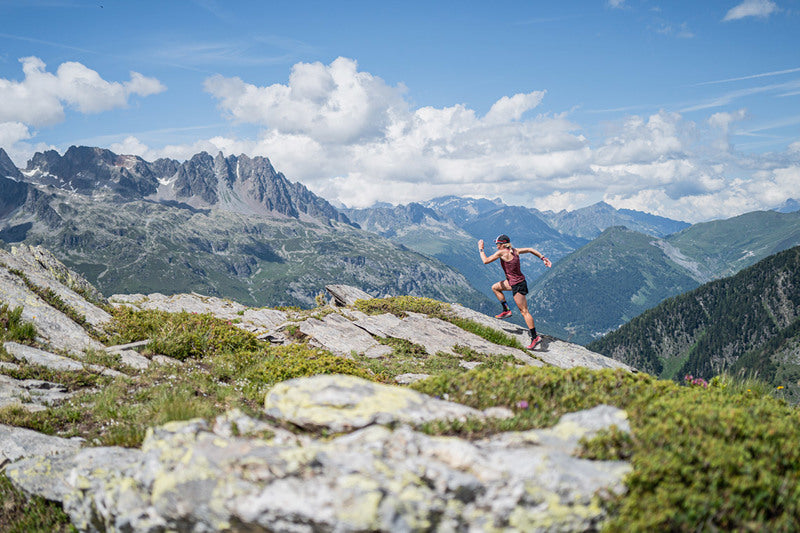
Trail running can be anything from a smooth forest path to a steep mountain trail with rocks, roots and uneven ground. If you are new to it, you do not need big mountains, long distances or the ability to run every step to get started.
Distance tells only part of the story. Elevation, terrain and weather all change how hard a run feels. The best approach for beginners is simple. Start with a route you can handle, keep your effort steady and build confidence as you get used to the terrain.
Part 1: How to Start Trail Running Without Overdoing It
1. Start with a Route You Can Manage
For your first few trail runs, choose a route that is easy to follow, not too long, and without sustained steep climbs or long stretches of rough ground. It also helps to pick something you can shorten or turn back from if the run takes longer than expected.
Not sure where to start? Look at routes that are popular with other runners and read the recent comments or notes. They give you a sense of trail conditions, tricky sections and how the route actually feels. Just remember that popular does not mean easy. Check the distance, elevation and terrain before you decide it suits your current level.

2. Give Your First Runs the Right Goal
Success on your first few runs does not have to mean a certain pace or distance. Give yourself time to get used to the terrain, notice how different surfaces and climbs change things, and learn what feels comfortable.
Pick a route you actually want to explore and leave room to enjoy it. A lot of trail running is about moving through new terrain, taking in your surroundings and seeing where the trail leads.
A good first trail run is one you finish feeling in control, and wanting to go again.
3. Match Your Gear to the Route
For a short, easy trail close to home, you need less gear than you think. Wear shoes you already find comfortable, carry your phone and bring water if the run will take longer than usual.
Road shoes are fine on smooth, dry paths. If the trail is muddy, loose, rocky or steep, trail shoes with more grip and protection are the better choice. Check the weather before you leave, and pack an extra layer if conditions might change.
On unfamiliar routes, make sure you can follow the trail reliably, whether that is a downloaded route, an offline map or a GPS watch. As your runs get longer or more remote, add food, more water and other essentials. There is no need to carry everything from day one.
4. Manage Effort, Not Pace
Pace swings a lot on trails. You might cruise a smooth section, drop to a jog or hike on a steep climb, then change speed again on a rocky descent. Holding one pace across all of it usually means working too hard on the difficult parts.
Aim for an effort you can sustain for the whole route instead of chasing a pace.
Let your breathing and how hard you feel you are working be your main guides. If a climb pushes you harder than you want, slow down or walk. Heart rate is another useful reference on longer climbs, but it works best alongside how you actually feel.
5. Know When to Walk Uphill
On steep climbs, walking often beats trying to run every step. If your breathing is getting out of control, or your running has slowed to barely more than a shuffle, switch to a brisk hike and keep moving steadily.
This helps you control your effort, save energy for the rest of the route and get running again more easily once the trail levels out. Walking uphill is not a failure. On many trails it is just good pacing.
6. Take Descents Slowly at First
Downhill can feel easier because your breathing settles. But uneven ground and higher speed also make it easier to lose control, trip or land a foot badly.
Keep your steps short, look a few metres ahead and scan for rocks, roots and changes in the surface. Let your arms move naturally for balance, and do not rush just because gravity makes speed easy.
If the terrain feels too steep or technical, slow down or walk until you feel in control again. Building downhill confidence gradually is safer than running fast before your footing and balance are ready.

Part 2: How to Avoid Injury When Starting Trail Running
Trail running can be harder on your ankles, knees and lower legs. The ground is uneven, and descents load your legs more than flat road does. For beginners, trouble usually shows up when the terrain gets harder too quickly, downhill speed gets away from you, or footing turns unreliable.
A few simple habits go a long way.
Build Up Gradually
Avoid increasing distance, climbing and technical terrain all at once. Make one part harder at a time and give your body a few runs to adjust before progressing again.
Adjust to the Surface
Slow down when the ground turns loose, rocky or slippery. On rocky sections, shorten your steps and pick stable places to land rather than trying to hold your speed. On mud or wet ground, avoid sudden changes of direction and give yourself more time to brake or turn.
Wet roots and rocks get especially slick, so step carefully and walk if you are unsure of your footing.
Take Extra Care on Descents
Downhill running loads your legs more and leaves less time to fix a bad step. Keep your steps short, stay controlled and ease off on steep, loose or rocky sections. Walk if you no longer feel confident in your footing.
Slow Down When Fatigue Affects Your Form
As you get tired, foot placement and balance can become less precise. If you start stumbling, dragging your feet or feeling less in control, slow down or walk.
Sharp pain, joint pain or pain that changes the way you move is a reason to stop rather than push through.
Part 3: How to Get Better at Trail Running
Trail running takes more than aerobic fitness. You also need leg strength for climbing and descending, and enough time on uneven ground to move confidently as the terrain shifts.
You do not have to train all of this at once. Focus on a few basics and build from there.
Build Your Endurance
Aerobic endurance is still the foundation. Keep most of your running at an easy, sustainable effort, and slowly extend how long you can stay moving comfortably.
If you already run on the road, keep it up. The aerobic fitness you have built still counts.
Walking and hiking count too, especially if you are new to running or getting ready for longer days out.
Strengthen Your Legs
Climbing takes repeated force from your calves, glutes and thighs. Descending asks your legs to control your body with every step.
Simple exercises like squats, lunges, calf raises and step-ups build that strength. You do not need a complicated gym plan. One or two short strength sessions a week is enough to support your running.

Train on Trails
Some things only improve with time on real trails. Gentle hills let you practise climbing at a steady effort, descents build confidence and control, and uneven ground sharpens your balance and foot placement.
Start with terrain you can handle comfortably. Then add steeper climbs, longer descents or rougher surfaces as they start to feel familiar.
Takeaway
If you are new to trail running, start with manageable routes, a steady effort and enough time to adapt. As your endurance, strength and confidence grow, you can take on tougher terrain.
The more time you spend on trails, the better you get at reading them: when to push, when to back off and how to keep moving well.